Conveyor systems play a critical role throughout meat and poultry operations, influencing everything from product flow and yield to sanitation and equipment reliability. Small improvements in the right areas can help reduce waste, minimize maintenance demands, and keep production moving efficiently.

Food and worker safety remain the top priorities in meat and poultry operations. Along with those priorities comes the ongoing challenge of maintaining product quality, maximizing yield, and keeping production on schedule. In many cases, the performance of a conveyor system can have a direct impact on achieving those goals.

The right belt or conveyor component can help solve challenges that affect day-to-day operations, including product loss, excessive cleanup, maintenance demands, and conveyor reliability. The following solutions highlight several ways to address common challenges related to product movement, product recovery, carryback, and conveyor reliability.

Featured solutions include uni MPB, AmSqueeze™, Flexco FGP-C, uni DBT, and Volta™ SuperDrive.

Supporting Reliable Product Movement with uni® MPB

Whether moving product through dip tanks, transfers, processing lines, or packaging operations, consistent product flow is critical to maintaining efficiency.

The uni MPB modular belt is designed for applications where dependable conveying performance is essential. From dip tanks to packaging lines, its versatility helps support smooth product movement across multiple stages of production while keeping operations running efficiently.

Once product is moving efficiently through the process, the next opportunity for improvement often comes from maximizing the amount of usable product that makes it downstream.

Maximizing Product Recovery with AmSqueeze™ Separator Belts

Every opportunity to recover more usable product can have a direct impact on yield and profitability.

In separation applications, even small improvements in product recovery can make a noticeable difference over time. The AmSqueeze™ Separator Belt helps recover more usable product while reducing waste, supporting greater efficiency throughout the production process and helping get more value from incoming raw materials.

Beyond product recovery, managing the material that remains on conveyor belts after discharge can also play an important role in maintaining cleanliness and reducing waste.

Managing Carryback with the Flexco FGP-C Food Grade Primary Cleaner for Cleated Belts

Carryback is more than a housekeeping issue. Product left on the belt after discharge can lead to product loss, sanitation concerns, and additional cleanup throughout the production area.

The Flexco FGP-C Food Grade Primary Cleaner for Cleated Belts helps remove residual product before it can create downstream issues. The result is less carryback, less cleanup, and cleaner conveyor systems overall, helping reduce wasted product and the time spent maintaining surrounding equipment.

While these solutions address product movement, recovery, and cleanliness, the right belting solution can also have a significant impact on long-term reliability.

Conveyor Solutions in Action

While every application has its own unique challenges, real-world results show the impact the right conveyor solution can have on performance, reliability, and maintenance requirements. The following examples highlight how application-specific belting solutions have helped address common production challenges in demanding meat processing environments.

One of the Largest Swine Processors Globally Improves Conveyor Reliability

One of the largest swine processors globally was experiencing recurring hinge failures and rod migration on a butt trim line, increasing maintenance demands and creating the potential for unplanned downtime.

After implementing a uni DTB solution, the operation reported no sprocket wear, damaged hinges, or rod migration after six months of operation. A one-year follow-up confirmed continued reliable performance with only minor belt adjustments.

The results demonstrate how selecting the right belt for the application can help reduce maintenance interventions and support long-term conveyor reliability.

Frozen Meat Processor Improves Reliability with Volta SuperDrive

A leading meat processor relied on a conveyor system to elevate frozen meat blocks into a grinder. Heavy impact during manual loading resulted in repeated cleat failures, creating contamination concerns, and increasing maintenance requirements.

To address the issue, the facility implemented a Volta™ SuperDrive belt with reinforced cleats designed for demanding food processing environments.

The result was the elimination of cleat breakage, reduced contamination risk, and improved operational reliability, providing a more robust solution for a critical production application.

Comprehensive Solutions for Every Step of the Process

From product conveying and recovery to packaging, carryback management, and conveyor reliability, the right equipment can make a meaningful difference in day-to-day operations.

The uni MPB modular belt supports efficient food movement through processing and packaging operations, helping ensure reliable product transfer throughout the production line. The AmSqueeze™ Separator Belt improves product recovery, while the Flexco FGP-C Food Grade Primary Cleaner helps reduce carryback and maintain cleaner conveyor systems. For applications where hygiene is a primary concern, belting solutions such as Volta™ SuperDrive support food safety and sanitation initiatives through hygienic belt design. Together, these solutions address key processing challenges ranging from product handling and recovery to cleanliness and operational performance.

With a broad portfolio of conveyor belting and material handling solutions, MIR helps customers find the right products for their specific applications, supporting efficient operations and long-term performance.
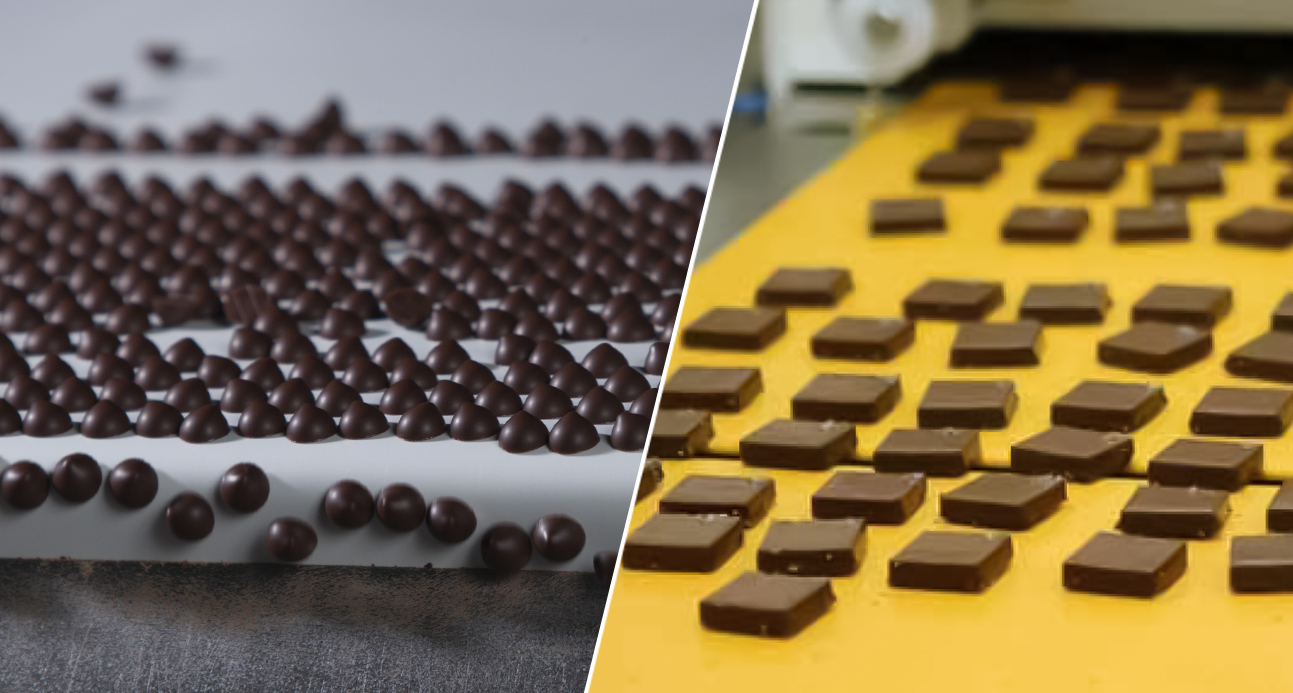
From rich truffles to chocolate-coated caramels, candy making is as much science as it is indulgence. This National Chocolate Day, we’re pulling back the curtain on how chocolate candies are crafted and how reliable belting helps support quality throughout the process.

Enrobing: Creating the Perfect Chocolate Coating

One of the most recognizable stages in chocolate production is enrobing, where candy centers such as caramels, nougats, and fruit fillings pass beneath a curtain of flowing chocolate. Precision is essential during this stage to achieve the smooth, even coating consumers expect.

PTFE-coated fiberglass belts help support this process by providing a non-stick conveying surface that promotes clean product release while resisting heat and chocolate buildup. The result is consistent coating quality and efficient operation.

Beyond Belts Sept National Quesadilla Day News

Cooling: Setting the Candy

Freshly coated candies are delicate. The chocolate is soft and shiny, and it must be cooled carefully to develop the smooth appearance and texture consumers expect.

As products move through cooling tunnels, reliable product handling helps protect the chocolate surface from scratches, marks, and other imperfections. Ropanyl belts provide gentle transport throughout the cooling process, helping maintain product quality while keeping production moving steadily.

By the end of this stage, each piece is firm, polished, and ready for packaging.

Precision Behind the Indulgence

Chocolate may feel like magic, but there is a science behind every bite. From applying the chocolate coating to cooling and packaging, consistency is critical throughout the process.

Reliable belting plays an important role in maintaining smooth product flow, supporting product quality, and helping operations run efficiently. Solutions such as PTFE-coated fiberglass and Ropanyl belts are designed to handle the demands of confectionery production while helping facilities maintain dependable performance.

Belting Solved®

On National Chocolate Day, it’s the reliability behind the production process that deserves recognition. With 25 locations across North America, 24/7 emergency service, and expert installation and maintenance support, MIR helps keep operations moving when it matters most.

Belting Solved®.

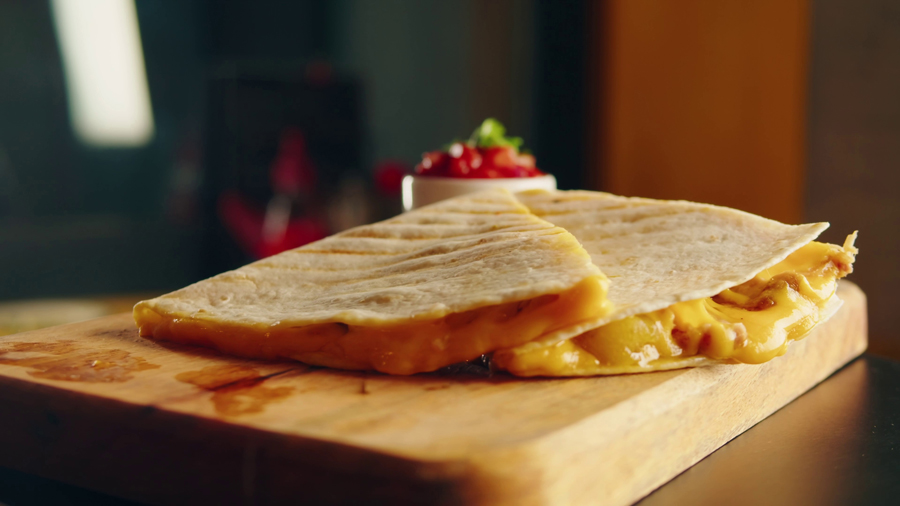
National Quesadilla Day: The Belting Solutions Behind Every Perfect Bite

Every year, National Quesadilla Day gives us a reason to celebrate one of America’s favorite comfort foods. Whether enjoyed as a quick snack, a family meal, or a restaurant favorite, a great quesadilla starts long before it reaches the plate.

Behind every perfectly toasted tortilla and evenly layered filling is a carefully designed food production process that helps manufacturers maintain product quality, food safety, and operational efficiency. Conveyor belts play a critical role at nearly every stage of that journey.

Building the Foundation: Tortilla Production

Every quesadilla begins with the tortilla. During production, dough moves through mixing, forming, baking, and cooling processes that require reliable belt performance.

In the baking stage, tortillas pass through high-temperature ovens before moving to cooling and assembly. Belting solutions designed for food manufacturing help support consistent product flow, product quality, and efficient production throughout this critical step of the process.

National Quesadilla Day

Cooling and Handling with Care

Once baked, tortillas must cool before moving into assembly operations. At this stage, gentle product handling becomes just as important as production speed.

The Flex OSB belt helps tortillas cool evenly by balancing airflow with gentle handling. By minimizing product damage and preventing sticking, it helps ensure tortillas are ready for the next stage while maintaining product quality and consistency.

Precise Assembly and Topping Placement

After cooling, tortillas move into the assembly phase, where ingredients such as cheese, proteins, vegetables, and other toppings are added before the product is folded, packaged, or prepared for final processing.

For this application, the Soliflex Center Drive belt provides a hygienic, easy-to-clean surface that eliminates fabric layers where bacteria can hide. Its positive drive design helps prevent slipping and supports reliable performance, helping ensure toppings are placed accurately and consistently throughout production.

Supporting Food Manufacturers Every Step of the Way

From dough preparation and baking to cooling, assembly, and packaging, conveyor belts are an essential part of modern food manufacturing. The right belting solutions help food processors improve efficiency, maintain product quality, and support food and worker safety throughout production.

This National Quesadilla Day, we’re celebrating more than just a food favorite. We’re recognizing the technologies and production systems that help manufacturers deliver consistent, high-quality products to consumers every day.

#BeltingSolved

From Processing to Packaging: Conveyor Belting Solutions for Bacon Production

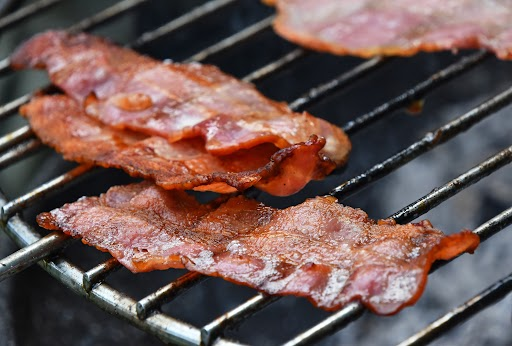
Few food products are as widely enjoyed as bacon. But before those familiar packages reach grocery store shelves, bacon travels through a series of production stages that require careful attention to food safety, sanitation, and efficiency.

From curing and processing to packaging and distribution, every step depends on equipment that can keep product moving reliably. Conveyor belts play an important role in helping processors maintain throughput while supporting the cleanliness standards expected in modern food production facilities.

Keeping Product Moving During Processing

The early stages of bacon production involve moving product between processing operations, including curing, seasoning, and transfer points throughout the facility. In these environments, conveyors are exposed to moisture, frequent cleaning procedures, and demanding production schedules.

For processors, even a small disruption can create bottlenecks that impact downstream operations. That’s why conveyor belting must do more than move product. It must also support sanitation efforts and deliver dependable performance shift after shift.

Few food products are as widely enjoyed as bacon

The uni MPB 25% Open modular belt is designed for demanding food processing applications. Its open design promotes drainage and provides better access during cleaning procedures, helping processors maintain sanitary conditions while keeping production moving. The durable modular construction also supports long service life in environments where reliability is essential.

Supporting Efficient Packaging Operations

Once bacon has moved through processing stages, the focus shifts to packaging. Maintaining consistent product flow is essential to supporting production efficiency and meeting output goals.

Certain packaging operations, including moving raw bacon portions into trays, packages, or other primary packaging formats, require conveyor systems that can transport product efficiently while minimizing maintenance concerns and unplanned downtime.

The uni SNB modular belt is designed to provide dependable product transport in food manufacturing environments. Its robust construction supports consistent belt performance and helps processors maintain throughput in applications where reliability and uptime are critical. The belt’s modular design also supports efficient maintenance, helping facilities keep product moving and reduce unplanned disruptions.

A Reliable Solution for Food Processors

Whether supporting product movement during processing or helping move raw product into packaging operations, reliable conveyor belting plays an important role in keeping bacon production running efficiently.

The uni MPB 25% Open and uni SNB modular belts are designed to help food processors maintain sanitation, support uptime, and keep products moving through key stages of production.

At MIR, we work with food manufacturers to identify conveyor belting solutions that align with their applications, production goals, and operational requirements.

Belting Solved.

Back Contact Us