From Processing to Packaging: Conveyor Belting Solutions for Bacon Production

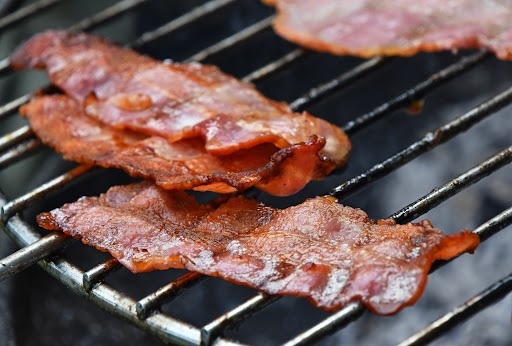
Few food products are as widely enjoyed as bacon. But before those familiar packages reach grocery store shelves, bacon travels through a series of production stages that require careful attention to food safety, sanitation, and efficiency.

From curing and processing to packaging and distribution, every step depends on equipment that can keep product moving reliably. Conveyor belts play an important role in helping processors maintain throughput while supporting the cleanliness standards expected in modern food production facilities.

Keeping Product Moving During Processing

The early stages of bacon production involve moving product between processing operations, including curing, seasoning, and transfer points throughout the facility. In these environments, conveyors are exposed to moisture, frequent cleaning procedures, and demanding production schedules.

For processors, even a small disruption can create bottlenecks that impact downstream operations. That’s why conveyor belting must do more than move product. It must also support sanitation efforts and deliver dependable performance shift after shift.

Few food products are as widely enjoyed as bacon

The uni MPB 25% Open modular belt is designed for demanding food processing applications. Its open design promotes drainage and provides better access during cleaning procedures, helping processors maintain sanitary conditions while keeping production moving. The durable modular construction also supports long service life in environments where reliability is essential.

Supporting Efficient Packaging Operations

Once bacon has moved through processing stages, the focus shifts to packaging. Maintaining consistent product flow is essential to supporting production efficiency and meeting output goals.

Certain packaging operations, including moving raw bacon portions into trays, packages, or other primary packaging formats, require conveyor systems that can transport product efficiently while minimizing maintenance concerns and unplanned downtime.

The uni SNB modular belt is designed to provide dependable product transport in food manufacturing environments. Its robust construction supports consistent belt performance and helps processors maintain throughput in applications where reliability and uptime are critical. The belt’s modular design also supports efficient maintenance, helping facilities keep product moving and reduce unplanned disruptions.

A Reliable Solution for Food Processors

Whether supporting product movement during processing or helping move raw product into packaging operations, reliable conveyor belting plays an important role in keeping bacon production running efficiently.

The uni MPB 25% Open and uni SNB modular belts are designed to help food processors maintain sanitation, support uptime, and keep products moving through key stages of production.

At MIR, we work with food manufacturers to identify conveyor belting solutions that align with their applications, production goals, and operational requirements.

Belting Solved.

From Raw Potato to Perfect Fry: Belting Solutions for Key Stages of French Fry Production

French fries are one of the foods we all know and love, especially during the summer months. But before they reach your plate, potatoes travel through a surprisingly extensive production process.

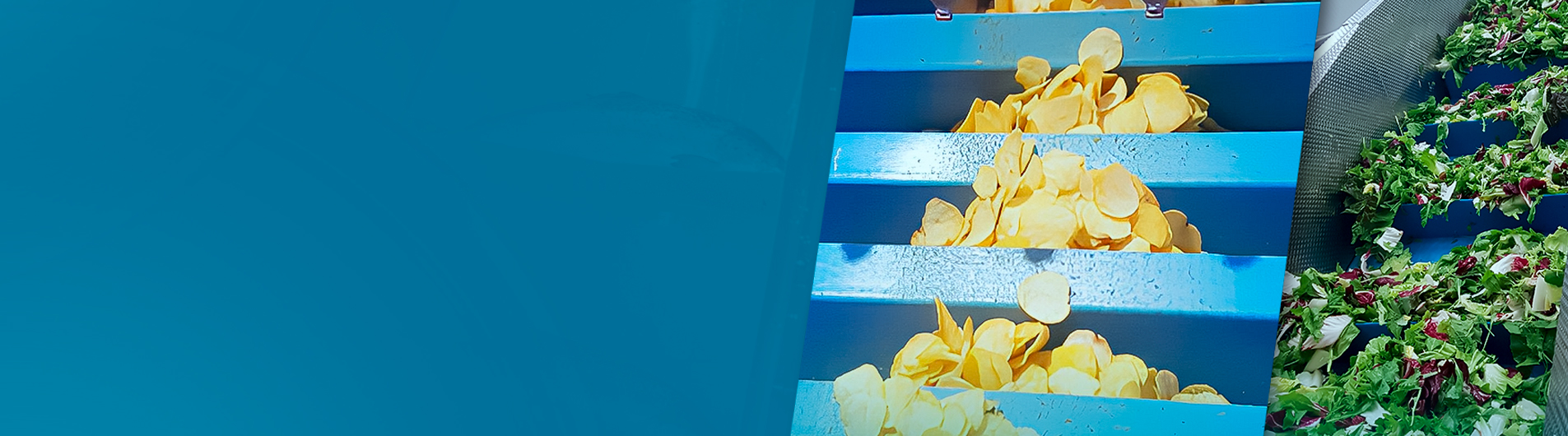
The journey starts with raw potatoes arriving at the processing facility in large volumes. Before they can be washed, peeled, and cut, they need to be moved efficiently from receiving and storage areas to the production line. That’s where reliable conveying becomes important. Volta’s SuperDrive™ belts are a strong fit for bulk potato handling thanks to their positive-drive design, dependable tracking, and ability to operate on wide conveyors. Together, these features help keep product moving smoothly through the early stages of production.

Once potatoes enter the washing stage, the focus shifts to maintaining consistent product flow in a wet processing environment. Volta DR Material Belts are well suited for these applications due to their exceptional hydrolysis resistance and durability in moisture-rich conditions. Their homogeneous design also supports sanitation efforts, making them a valuable choice for food processors looking to maintain both cleanliness and performance.

From Raw Potato to Perfect Fry
Farm fries elevator

Volta DR Material Belts continue to deliver value as potatoes move into peeling operations. Here, reliable conveying helps ensure a steady flow of product through production, while the material’s abrasion-resistant properties contribute to long service life. With durability built into the belt material, processors can focus on maintaining efficient operations throughout this important preparation stage.

As potatoes are transformed into fries during cutting, consistent belt performance remains essential. Volta DR Material Belts provide the strength and durability needed to support this high-volume phase of production while offering low particle loss and excellent resistance to moisture exposure. The result is a belting solution designed to support both operational efficiency and food safety objectives.

After cutting, the fries continue through blanching, frying, freezing, and packaging before becoming the finished product consumers know and love. While each of these stages helps create the final quality and consistency expected from every fry, reliable conveying remains important throughout the entire process. By matching belt technologies to the specific requirements of each production phase, MIR helps processors move product efficiently, support sanitation efforts, and maintain dependable performance from raw potato receiving through final packaging.

Supporting the Cheese Production Journey with MIR Solutions

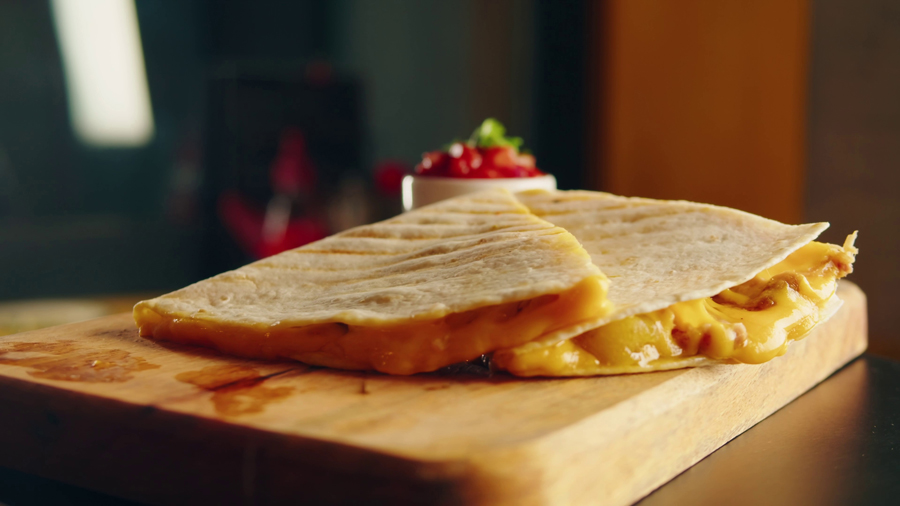
Cheese is produced in high volumes and multiple formats—from shredded and sliced to block—requiring consistent quality and strict hygiene standards. In recognition of National Cheese Day, MIR takes a closer look at how modern cheese production moves from raw materials to finished packages, and how BEHAbelt conveyor solutions support reliable performance across key production stages.

Cheese manufacturers rely on repeatable processes that balance food safety, throughput, and uptime. As product moves through the line, each step must support consistent handling, cleanability, and accuracy.

From Milk Intake to Forming: Building the Cheese Base

Cheese production begins with milk intake and preparation, followed by pasteurization and coagulation, where milk is converted into curds and whey. The curds are then cut, cooked, and formed into blocks or portions.

While these early stages focus on product transformation, maintaining hygienic and controlled conditions is essential to ensure predictable handling once cheese enters downstream processing operations.

Supporting the Cheese

Product InFeed: Precision Starts at the Beginning

After forming, cheese enters product infeed areas where blocks or portions are introduced to cutting, slicing, or inspection equipment. Performance at this stage directly impacts downstream accuracy and line stability.

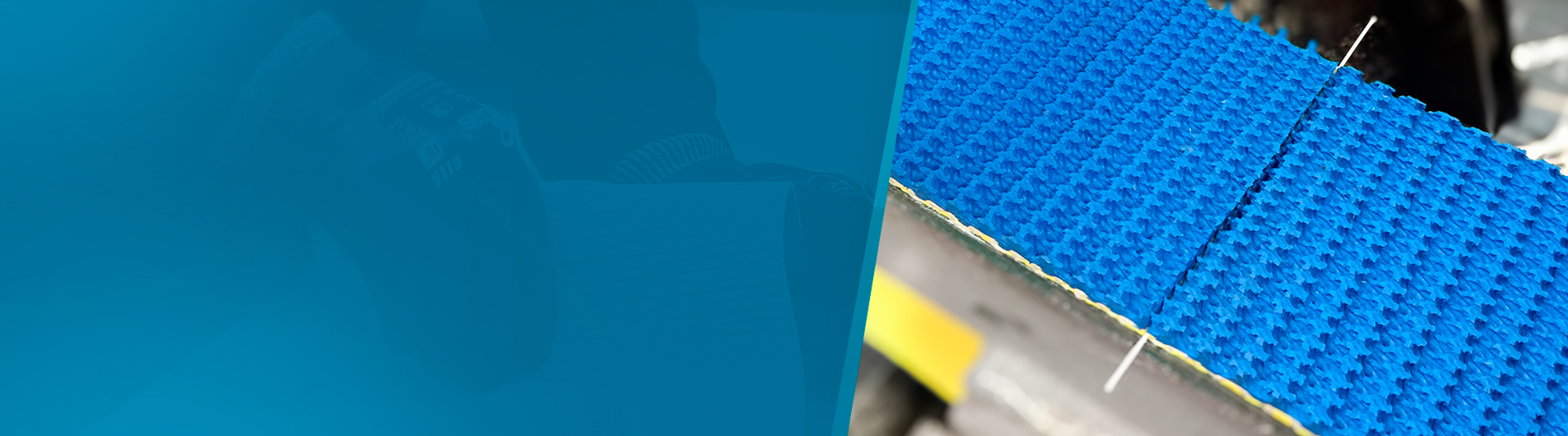
At infeed, heavier and less uniform cheese requires increased belt stability. A great option for this production stage is a harder elastic BEHAbelt monolithic conveyor belt (PU95A), which delivers reliable loadbearing performance through added stiffness. Its hygienic design helps minimize moisture penetration while supporting consistent product flow early in the cheese production process.

Portioning, Slicing, and Inspection

Following infeed, cheese products are portioned, sliced, shredded, or inspected based on final format requirements. Maintaining consistent positioning and smooth transitions through these steps helps reduce variability before packaging and keeps lines running efficiently.

Packaging: Automation, Hygiene, and Accuracy

Packaging is one of the most demanding stages of cheese production, combining high speeds, tight tolerances, and multiple formats such as thermoformed, tray, pouch, and skin packaging.

In cheese packaging operations that require precise indexing, BEHAbelt positivedrive AT5 belts provide an ideal solution by delivering slipfree, synchronized movement. This ensures consistent positioning of sliced, shredded, or block cheese for labeling, inspection, and sealing, helping manufacturers maintain line speed, reduce rejects, and support reliable highspeed packaging performance.

Checkweighers: Protecting Yield and Reducing Product Waste

Once cheese is packaged and sealed, the next step is verification to ensure each package meets weight requirements before moving further down the line. For cheese manufacturers, this step is critical for meeting regulations while protecting yield and minimizing product waste.

To support accurate weighing, BEHAbelt thin (from 0.9 mm) hygienic conveyor belts (PU80A) ensure smooth, stable product transport through checkweighting systems. THese thin belts also allow for very tight idler pulleys, while the angled weld seam distributes the impact on the shaft over time, ensuring smooth operation of the check weigher. The MICROclean surface finish improves cleanability, ensures reliable release, and guaranteese repeatable results on high-speed cheese processing lines.

Keeping Cheese Production Moving

From product infeed through packaging and verification, cheese processors depend on conveying solutions that perform reliably in demanding environments. By selecting belting designed for the specific needs of each production stage—from loadbearing stability to precise positioning and accurate weighing—BEHAbelt supports efficient, consistent cheese production across the entire processing line.

With proven belting solutions and application expertise, MIR helps cheese manufacturers solve realworld production challenges with confidence—Belting Solved.

National Shrimp Day: The Journey Shrimp Takes Before It Reaches Your Plate

From shrimp and grits to shrimp Alfredo, this lean and versatile protein shows up in kitchens everywhere quick to cook, delicious, and easy to love. This National Shrimp Day, we’re taking a behind-the-scenes look at the journey shrimp takes before it reaches your plate.

Inside a modern seafood processing facility, shrimp moves through a carefully coordinated series of steps—from preparation and cleaning to cooling, packaging, and freezing. Along the way, conveyor belts help keep each stage running smoothly by supporting freshness, food safety, and efficient product flow.

Raw Receiving, Peeling & Deveining

That journey starts as shrimp arrives at the processing facility and moves into raw receiving, peeling, and deveining—early steps where cleanliness and careful handling matter most.

At this stage, shrimp is in its most hygiene-critical state. During raw receiving, peeling, and deveining, product is exposed to ice, meltwater, and raw proteins, making sanitation and cleanability essential. These areas also require frequent washdowns to meet strict food-safety standards.

Belting used here must resist moisture and help reduce contamination risks. Soliflex PRO is well suited for these early processes because its solid, homogeneous construction contains no fabric layers that can absorb water or harbor bacteria. Its smooth, non-porous surface supports fast, effective cleaning, helping maintain cleanliness and reliability as shrimp moves through initial preparation.

National Shrimp Day

Washing, Dewatering, Cooling & Glazing

After raw handling, shrimp transitions into water-intensive processing. Washing and rinsing remove remaining debris, dewatering reduces excess moisture, and cooling and glazing help preserve freshness, appearance, and weight before packaging.

In the washing and dewatering phase, belts such as the uni® MPB closed‑surface belt help control shrimp movement while reducing contamination on the conveyor line. The closed surface prevents small, loose product from slipping through the belt, while pop‑up flights enable product indexing, elevation, and separation. A built‑in automatic scraper integrated with the pop‑up flights removes residual product from the belt—maximizing throughput and minimizing waste and product loss.

During cooling and glazing, processors frequently rely on belts like the uni® SNB M2 20% Nub Top. At this stage, shrimp is exposed to chilled water and ice as a thin glaze is applied to protect product quality. The nub-top surface helps prevent shrimp from sticking to the belt in cold, wet conditions—particularly at the belt return—helping reduce product loss and waste while supporting more efficient sanitation.

Together, these belting solutions help maintain cleanliness, improve product release, and support smooth movement through cooling and glazing before shrimp transitions to downstream packaging operations.

Packaging Infeed, Freezing & Pack-Out

Once shrimp reaches packaging infeed, the process shifts from handling loose product to moving sealed bags, trays, or pouches. These packages then travel through labeling, freezing, hardening, and pack-out in cold or frozen environments where consistent movement and durability are essential.
At this stage, reliable conveyance helps protect product integrity as shrimp moves through freezing tunnels and into cold storage before distribution.

From Processing Floor to Plate

From hygiene-critical raw handling to water-intensive processing and steady movement through cooling, glazing, and freezing, shrimp production demands different belt performance at every stage. When conveyor belts are selected to match the specific conditions of each application, including sanitation, drainage, product release, and temperature—processors can maintain sanitation, efficiency, and product integrity throughout the line.

That application-focused approach is what Belting Solved means in practice—supporting a smooth, reliable journey from processing floor to plate.

Back Contact Us