 View Locations
 24/7 Service: 877-MIR-BELT (877-647-2358)


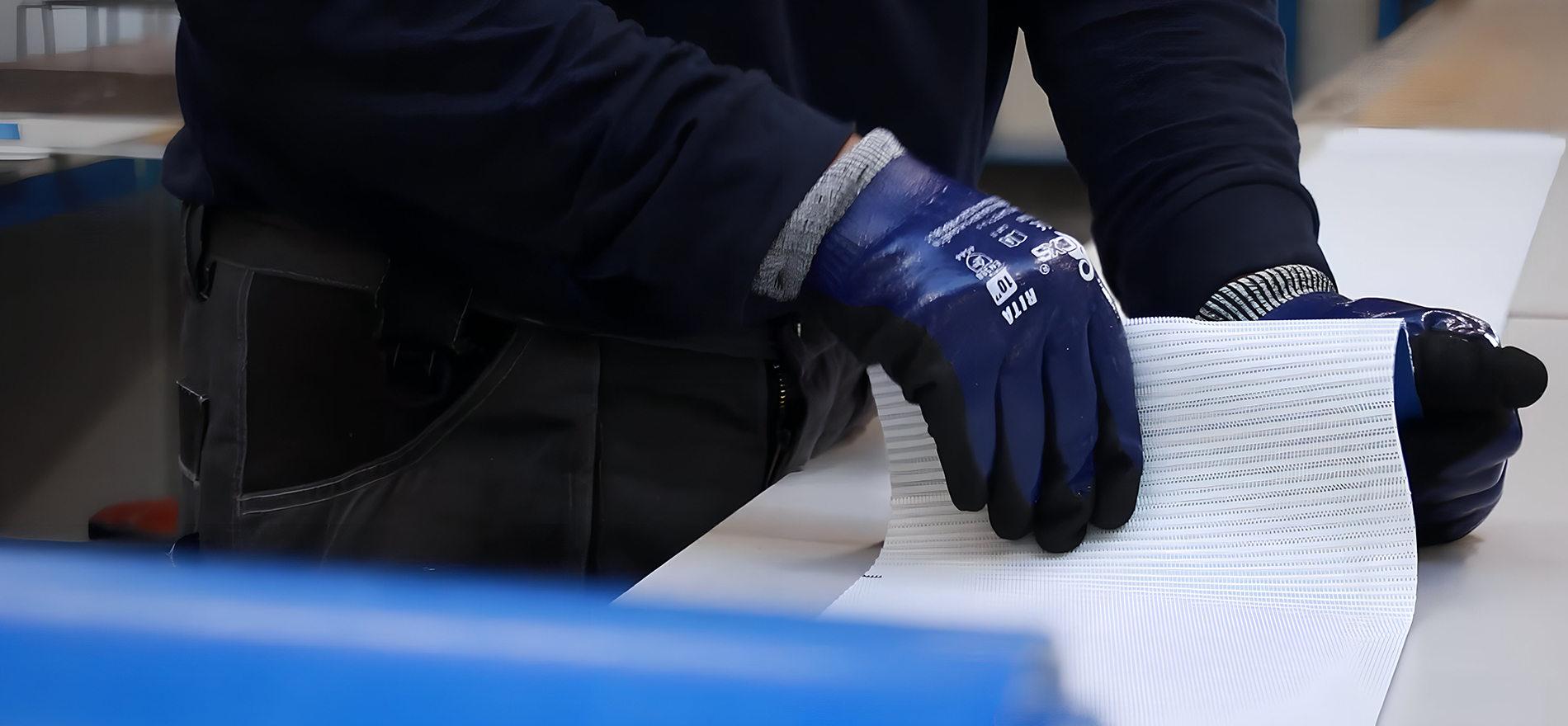
At MIR, we provide expert conveyor belting solutions designed to improve uptime, reduce downtime, and optimize industrial conveyor belt systems performance across demanding industrial environments. Whether you’re comparing different types of conveyor belts, evaluating materials, planning a conveyor belt replacement, or looking for a trusted conveyor belt supplier with reliable repair service, this page will help you understand your options and make informed decisions. Backed by decades of application expertise, MIR is the conveyor belt company that delivers complete conveying solutions combining product knowledge, field service, installation support, and proactive system optimization.
Jump to:
 Products
The MIR Belting Audit™ Request
Get a line-by-line itemization of potential ROI for each improvement — at no cost to your facility.
Get startedTypes of Conveyor Belts: A Complete Buyer's Guide
Choosing the right conveyor belts starts with understanding how different belt types perform under different operating conditions. Different conveyor belt materials and constructions perform differently depending on industry and application, and every application places unique demands on belt construction, sanitation, durability, flexibility, and long-term serviceability. This is why MIR takes an application-first approach to belt selection instead of recommending one-size-fits-all solutions. This section helps you understand how each belt type performs in real-world applications so you can evaluate the best fit for your conveyor system, operating environment, and long-term performance goals, not just compare products.
PVC Conveyor Belts
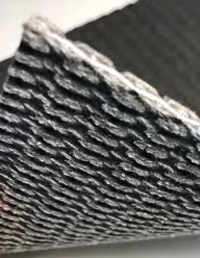
Polyurethane (PU) Conveyor Belts
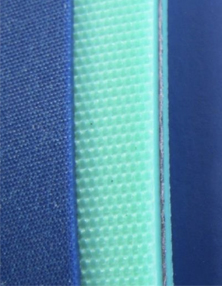
Rubber Conveyor Belts
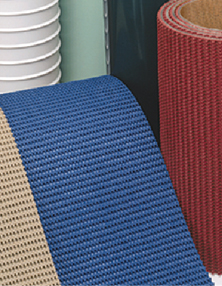
Modular Plastic Conveyor Belts
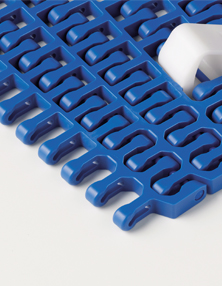
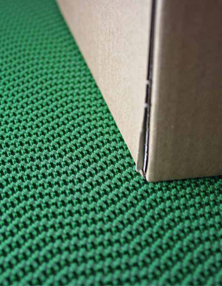
Fabric Conveyor Belts
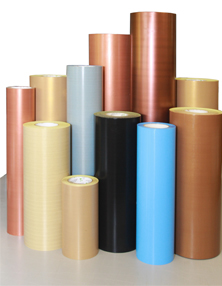
Specialty Conveyor Belts
Conveyor Belt Comparison: Which Conveyor Belt Type Is Right for Your Application?
Selecting the right conveyor belt requires balancing sanitation requirements, durability, repairability, environmental conditions, and total operational cost. The comparison below provides a high-level overview of how different conveyor belt types perform across key operational categories.
| Belt Type | PVC | Polyurethane | Rubber | Modular Plastic |
Fabric | Specialty |
|---|---|---|---|---|---|---|
| Best Industries | Logistics, Packaging |
Food Processing |
Heavy Industry, Recycling |
Food, Beverage |
Packaging, Printing |
Varies by spec |
| Sanitation Level | Moderate | High — FDA/USDA |
Low — Moderate |
High — Washdown |
Moderate | Varies |
| Durability | Medium | Medium–High | Very High | High | Low– Medium |
Very High |
| Repairability | Splice required |
Splice required |
Splice required |
Modular — easy |
Splice required |
Varies |
| Temp. Resistance |
Low– Moderate |
Moderate | High (compounds) |
Moderate | Low– Moderate |
Very High (PTFE) |
| Cost Range | Low– Moderate |
Medium–High | Medium–High | Medium | Low– Medium |
High |
| MIR Recommendation |
General use |
Food-grade default |
Heavy-duty default |
Washdown environments |
High-speed light duty |
Consult MIR |
Still not sure which conveyor belts best fit your operation?
How to Choose the Right Conveyor Belt for Your Application
Choosing the right conveyor belt involves more than selecting a material or comparing upfront pricing. MIR takes an application-first approach that evaluates your product, environment, conveyor system, sanitation requirements, and long-term operating goals before recommending a solution. Use this conveyor belt selection guide to understand the 5 key factors MIR experts evaluate when helping customers identify the right conveyor belts for long-term performance, reliability, sanitation compliance, and cost efficiency.
Product Type & Load Characteristics
The type of material being conveyed plays a major role in determining the right conveyor belts for your operation. Product weight, shape, abrasiveness, fragility, and temperature sensitivity all impact which belt materials and constructions will perform reliably over time.
Ask yourself: Is my product wet, dry, sharp-edged, fragile, abrasive, or temperature sensitive?
Environmental Conditions
Operating conditions directly affect conveyor belt lifespan, performance, and maintenance requirements. Moisture, washdowns, chemicals, grease, extreme temperatures, and outdoor exposure all influence which belt materials are suitable for long-term use.
Ask yourself: What does my belt get exposed to every day?
Conveyor Design & Speed
Pulley diameter, incline angles, belt speed, throughput requirements, and conveyor geometry all affect belt compatibility and long-term performance. Selecting the wrong belt for your conveyor design can lead to tracking issues, premature wear, improper tensioning, and increased maintenance costs. Not sure where to start? A conveyor belt audit can help identify the right fit for your system.
Ask yourself: Do I fully understand my conveyor system specifications, or would a site assessment help?
Sanitation & Compliance Requirements
Industries such as food processing, pharmaceuticals, and personal care require conveyor belts that support strict FDA, USDA, and facility-specific sanitation standards. Belt material, surface construction, and splice design all impact cleanability, contamination prevention, and regulatory compliance.
Ask yourself: Do I fully understand my conveyor system specifications, or would a site assessment help?
Total Cost of Ownership (TCO)
The lowest upfront conveyor belt cost is not always the lowest long-term operational cost. Belt lifespan, downtime frequency, maintenance requirements, replacement intervals, and cleaning time all contribute to total cost of ownership. A conveyor belt audit can help uncover hidden costs and identify opportunities to improve long-term reliability and reduce total operational expense.
Ask yourself: Am I evaluating lifecycle performance or only initial purchase cost?
Need help understanding how to choose a conveyor belt for your operation? MIR’s specialists can evaluate your application and recommend solutions designed to improve reliability, sanitation, and long-term system performance.
Conveyor Belt Materials: What You Need to Know
The material used in your conveyor belts directly impacts durability, sanitation compliance, flexibility, cleanability, temperature resistance, and overall system performance. Understanding conveyor belt materials helps improve conveyor performance and reduce downtime. Use the chart below to compare material options and identify the best fit for your application.
| Material | Key Properties | Common Application |
|---|---|---|
| PVC | Versatile, cost-effective, oil-resistant | Logistics, packaging, general manufacturing |
| Polyurethane (PU) | FDA/USDA compliant, chemical-resistant, hygienic | Food processing, pharma, personal care |
| Rubber | Impact & abrasion resistant, high tensile strength | Aggregate, recycling, heavy industry |
| Modular Plastic (PP/PE) | Easy repair, fully washdown-safe, no splice failure | Food washdown, beverage, produce |
| Fabric (Polyester/Nylon) | Lightweight, low stretch, high speed | Packaging, printing, light manufacturing |
| PTFE / Teflon | Non-stick, heat-resistant to 500°F+ | Baking ovens, heatsealing, release applications |
| Silicone | Flexible, grip/release options, heat resistant | Baking, fragile product handling |
| Metal (Wire/Flat Wire) | Extreme heat, sanitation, side-flexing turns | Spiral ovens, fryers, hightemp applications |
| Thermoplastic | Hygienic, MPS-compatible, rigid | Modular belt systems, food-grade lines |
Selecting the right material is one of the most important decisions when choosing conveyor belts because material compatibility directly affects belt lifespan, operational efficiency, sanitation compliance, and long-term maintenance costs. The wrong material can lead to premature failure, excessive downtime, product contamination risks, and unnecessary replacement expenses. MIR evaluates operating conditions, cleaning requirements, conveyed products, and conveyor system design before recommending any belt material as part of its application review and conveyor belt audit process.
Conveyor Belt Services: From Installation to Continuous Improvement
MIR supports your conveyor belt system at every stage, from initial belt selection and conveyor belt installation to emergency support, system optimization, and long-term performance improvement. Our experts work as an extension of your team to help reduce downtime, improve reliability, and keep your operation running at peak performance 24/7.
Conveyor Belt Installation & Field Services
Our team also conducts pre-installation reviews, safety planning, and post-installation follow-up to help identify potential system issues before they create downtime. If issues are found, our conveyor belt audit process provides a deeper evaluation of belt condition, tracking, splice integrity, and overall system performance to keep your operation running at peak efficiency.
For unexpected failures, MIR’s 24/7 emergency conveyor belt repair service delivers rapid on-site support and replacement to minimize production downtime. We also support customers across food processing, logistics, packaging, recycling, and other industries with application-specific installation expertise.
24/7 Emergency Conveyor Belt Repair Service & Replacement
When a belt fails, every minute of downtime impacts productivity, throughput, and operational costs. MIR provides nationwide 24/7 conveyor belt repair service, emergency splicing, vulcanization, and rapid conveyor belt replacement service to get your system back up and running as quickly as possible. Whether you need emergency conveyor belt repair near me or are planning a scheduled conveyor belt replacement, MIR’s response network is built to minimize disruption and restore production fast.
With 25+ service and fabrication facilities across the country, MIR delivers 24 hour conveyor belt service backed by local inventory and experienced field technicians. Find your nearest MIR service location to confirm coverage and response times in your area.
MIR Belting Audit, System Analysis & Optimization
Many conveyor system failures can be prevented before they disrupt production. MIR’s conveyor belt audit process provides a comprehensive evaluation of belt condition, tracking, splice integrity, sanitation risks, material compatibility, and overall system performance.
Customers receive prioritized, ROI-driven recommendations focused on improving uptime, reducing maintenance costs, increasing safety, and optimizing long-term conveyor reliability.
Continuous Improvement (CI) Programs
Reactive maintenance only solves today’s problem, not tomorrow’s. MIR’s Continuous Improvement programs provide ongoing monitoring, preventative maintenance strategies, and proactive recommendations designed to improve conveyor system performance over time.
These programs help operations reduce unexpected downtime, extend belt lifespan, improve sanitation compliance, and lower total cost of ownership.
Your Industry, Our Expertise: Specialized Conveyor Belt Expertise by Sector
Different industries place different demands on conveyor belts, from sanitation and product handling to durability, throughput, and system reliability. MIR works closely with customers across a wide range of industries to recommend application-specific solutions designed around real operational challenges. Not sure where to start? Use our conveyor belt selection guide or request a free audit to get expert guidance for your operation.
Food Processing
MIR provides USDA and FDA-compliant conveyor belts for food processing applications across meat and poultry, bakery, dairy, and prepared foods operations. Common belt types include polyurethane and modular plastic belts designed for sanitation, washdown durability, contamination prevention, and resistance to oils and fats.
Primary focus:
Sanitation compliance, cleanability, and food safety.
Logistics & Distribution
High-throughput distribution and fulfillment operations rely on durable, high-speed conveyor belts capable of minimizing downtime and maintaining consistent tracking performance. MIR supports logistics environments with PVC and fabric belt solutions optimized for uptime, durability, and rapid replacement support. Learn more about our 24/7 emergency conveyor belt repair service to keep your operation running without interruption.
Primary focus:
Reliability, fast replacement, and operational uptime.
Packaging
Packaging operations require precise product movement, speed consistency, and gentle handling to prevent damage and maintain throughput. MIR supports packaging applications with fabric and PVC conveyor belts engineered for efficient high-speed conveying. Explore our conveyor belt materials guide to identify the right fit for your packaging line.
Primary focus:
Precision, speed, and consistent product handling.
Manufacturing & Automation
Manufacturing and automation environments require reliable conveyor belts capable of supporting assembly lines, robotic integration, and precision material handling. MIR helps manufacturers identify customized conveying solutions designed around operational efficiency and long-term reliability. Our conveyor belt audit can identify system-level issues before they disrupt production, and our continuous improvement programs help operations move from reactive maintenance to proactive optimization.
Primary focus:
Reliability, integration, and reduced maintenance interruptions.
Recycling
Recycling and waste handling operations require heavy-duty conveyor belts capable of handling abrasive materials, contamination exposure, and high-impact loading conditions. MIR supports these environments with durable rubber and specialty belt solutions designed for longevity and demanding operating conditions. Need emergency support? Our 24/7 repair and replacement service is available nationwide.
Primary focus:
Durability, impact resistance, and long-term performance.
Personal Care & Hygiene
Personal care and hygiene applications require clean conveying environments, gentle product handling, and compliance with strict sanitation protocols. MIR provides polyurethane and modular plastic conveyor belts designed to support hygienic production and controlled-environment operation. Learn more about our conveyor belt audit to ensure your sanitation and compliance requirements are fully met.
Primary focus:
Sanitation, product protection, and controlled-environment conveying.
What Makes MIR Different — More Than a Belt Supplier
MIR delivers more than just conveyor belts. Our team combines application expertise, field service support, system analysis, and long-term optimization strategies to help customers improve conveyor performance, reduce downtime, and maximize operational reliability.
Application-First Methodology
MIR does not start with a product catalog; we start with your application. Every conveyor belt recommendation is based on evaluating your product, conveyor system, environment, sanitation requirements, and long-term operating goals to identify the right solution for your operation.
25+ Service & Fabrication Facilities Nationwide
With more than 25 service and fabrication facilities across the country, MIR combines local responsiveness with national-scale support. Customers benefit from faster response times, local inventory availability, and access to experienced conveyor specialists.
24/7 Emergency Response
Conveyor failures create immediate operational disruption and costly downtime. MIR’s 24/7 emergency response model provides rapid on-site support, emergency repair capabilities, and fast replacement services designed to restore production quickly.
Deep Manufacturer Partnerships
MIR partners with leading belt manufacturers to provide customers with access to a broad range of conveyor belts and conveying technologies. This allows our team to recommend the right solution based on your application needs, not limited product availability.
System-Level Thinking
MIR looks beyond the belt itself to identify root-cause operational issues including tracking problems, pulley misalignment, improper tensioning, sanitation risks, and splice failures. Our team delivers system-level problem solving designed to improve overall conveyor performance and long-term reliability.
MIR’s Conveyor Belt Audit: Prevent Downtime Before It Happens
Unexpected downtime, premature belt failure, and recurring maintenance issues often start with small system problems that go unnoticed until production is impacted. A MIR conveyor belt audit provides a comprehensive evaluation of your conveyor system to identify tracking issues, splice risks, sanitation concerns, material incompatibilities, and performance inefficiencies before they turn into costly failures.
Our experts deliver prioritized, ROI-driven recommendations designed to improve uptime, extend belt life, reduce emergency repairs, and optimize long-term conveyor performance.
What MIR Evaluates
- Belt condition and wear patterns
- Tracking, alignment, and tensioning issues
- Splice integrity and failure risks
- Material compatibility
- Overall conveyor system performance
What You Gain
- Improved uptime and reliability
- Reduced downtime and maintenance costs
- Better sanitation compliance
- Longer-lasting conveyor belts
- Sanitation and safety concerns
- Lower total cost of ownership (TCO)
Conveyor Belt FAQs
Find answers to common questions about conveyor belts, belt selection, maintenance, replacement, and MIR’s conveyor services. These FAQs are designed to help you better nderstand how to improve conveyor performance, reduce downtime, and choose the right belt solution for your operation.
The right conveyor belt depends on your application, conveyed product, operating environment, sanitation requirements, conveyor system design, and long-term operational goals. MIR evaluates all of these factors to recommend the best solution for performance, reliability, and cost efficiency.
PVC conveyor belts are commonly used in logistics, packaging, and general manufacturing because they are versatile and cost-effective. Polyurethane (PU) belts are designed for food processing and sanitary environments where resistance to oils, chemicals, and washdowns is critical.
The lifespan of conveyor belts varies based on material selection, operating conditions, maintenance practices, and application demands. Proper installation, preventative maintenance, and selecting the right belt for the environment all help maximize belt life and reduce unexpected downtime.
Common causes of conveyor belt failure include improper tensioning, pulley incompatibility, environmental exposure, sanitation issues, incorrect material selection, and delayed maintenance. Many failures can often be prevented through proactive inspections and conveyor belt audit services.
Yes. MIR provides 24/7 emergency conveyor belt repair service and rapid conveyor belt replacement support through its nationwide network of service and fabrication facilities to help minimize downtime and restore production quickly.
A conveyor belt audit is a comprehensive evaluation of your conveyor system designed to identify performance risks, sanitation concerns, tracking issues, and opportunities for operational improvement. Audits are especially valuable for operations experiencing recurring failures, increasing maintenance costs, or unexpected downtime.
Yes. MIR provides customized conveyor belts and fabrication solutions tailored to specific applications, operating conditions, conveyor layouts, and performance requirements.
MIR supports customers across food processing, logistics, packaging, manufacturing, recycling, personal care, automation, and other industrial sectors requiring reliable conveyor belts and conveyor system expertise.
